The Shift in Health Insurance: How Cashless AYUSH Claims Are Opening Doors for Patients
20-Jul-26 11:45:04
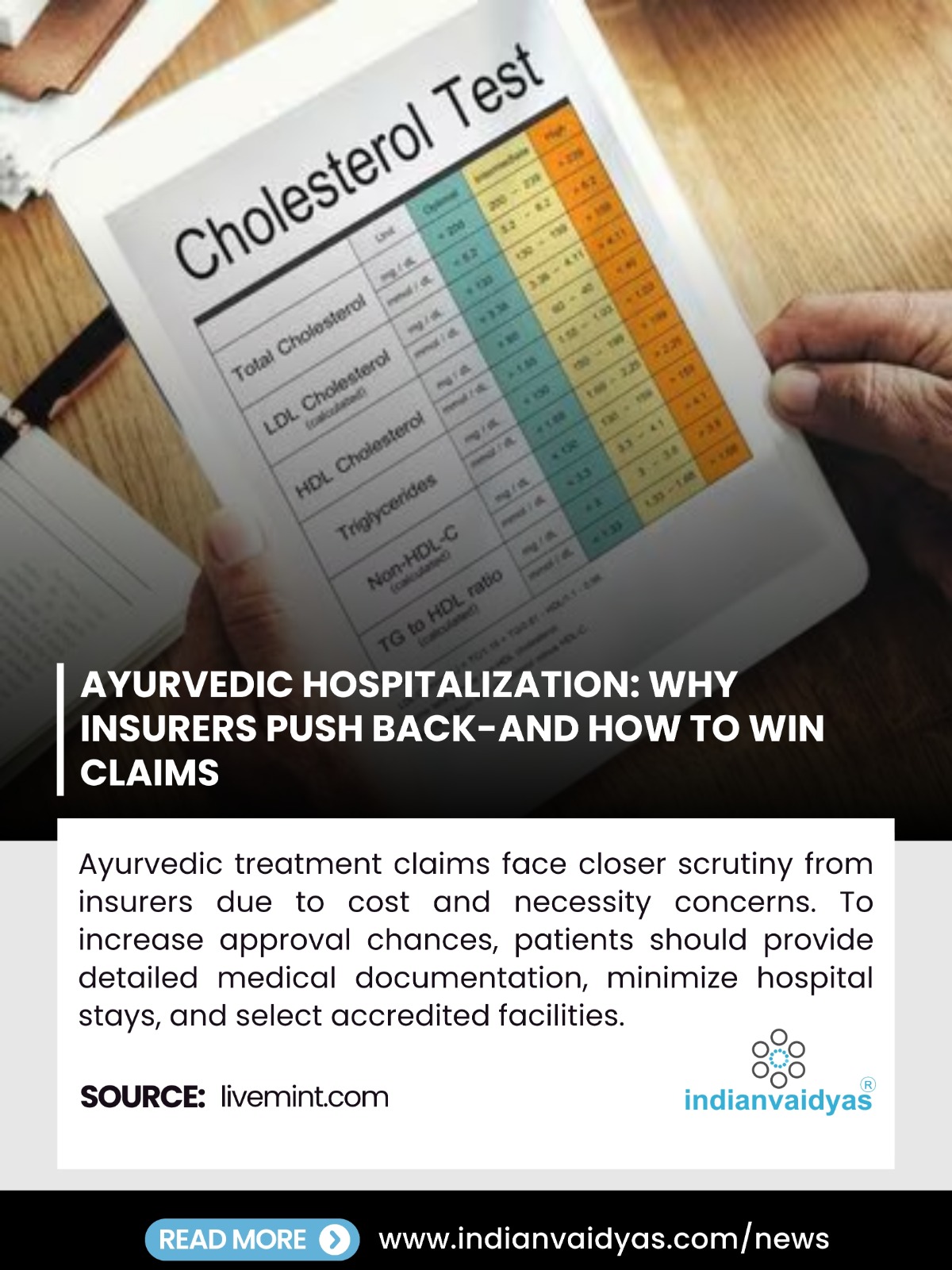
For years, patients seeking Ayurvedic, Unani, or Siddha care faced an annoying financial hurdle: even if their health insurance policy technically covered traditional medicine, they had to pay everything out of pocket upfront and navigate a long, tedious reimbursement process afterward. That friction is finally starting to clear up.
Thanks to recent regulatory mandates and expanding hospital networks, cashless AYUSH health insurance claims are becoming far more accessible across India. This shift means patients can now walk into recognized traditional healthcare facilities and receive covered treatments without having to clear massive hospital bills out of their own savings first.
Bridging the Gap Between Intent and Execution
While the Insurance Regulatory and Development Authority of India (IRDAI) directed insurers to treat AYUSH treatments on par with modern allopathic procedures, real-world implementation was initially slow. The biggest roadblock was network infrastructure—most insurance providers simply didn't have established cashless tie-ups with Ayurvedic hospitals.
That dynamic is changing rapidly. Insurance companies are actively onboarding accredited AYUSH centers,NABH-certified institutes, and government-recognized hospitals into their cashless networks.
For patients, this brings three major benefits:
-
Zero Upfront Financial Strain: Critical treatments for chronic conditions, spinal issues, and post-stroke rehabilitation can be started immediately without waiting to arrange funds.
-
Standardized Billing Protocols: Network hospitals work directly with insurance Third Party Administrators (TPAs), reducing surprise out-of-pocket costs and hidden charges.
-
Broader Policy Acceptance: Standard health insurance plans—including family floater and senior citizen policies—are increasingly offering full parity for traditional treatments rather than capping them at tiny sub-limits.
Key Rules for Approval: What Patients and Hospitals Must Keep in Mind
While getting cashless approval for traditional care is simpler now, insurers still enforce strict guidelines to prevent claim rejections.
To qualify for a smooth cashless claim, the treatment must meet key criteria:
-
In-Patient Hospitalization Required: OPD consultations, routine massages, or buying over-the-counter wellness supplements are generally not covered. The patient must be admitted to a recognized hospital or day-care facility for an active medical condition.
-
Recognized Facilities: The admission must be at a government hospital or a private facility accredited by authorities like NABH (National Accreditation Board for Hospitals & Healthcare Providers).
-
Active Medical Supervision: Treatments must be prescribed and monitored by a registered medical practitioner holding recognized degrees in their respective system.
This ongoing expansion of insurance coverage is also driving institutional growth in Ayurveda education, as clinical centers increasingly require administrative and medical staff trained in handling modern insurance claim workflows alongside classical therapies.
A Win-Win for Patients and the Ayush Sector
As the Ministry of Ayush continues working alongside financial regulators, seamless insurance access is proving to be a game-changer. It elevates traditional systems from optional "wellness remedies" to legitimate, financially supported clinical options for mainstream disease management.
For the broader landscape of Ayurveda News, this shift marks an essential milestone: making holistic, time-tested healing options financially viable for everyday families across the country.
Source: livemint.com